
Bolt-On vs. Cast-In Balconies: Which Is Right for Your Project?
In modern construction, selecting the right balcony system is a very important decision that impacts both the timeline and budget of your project. As developments increasingly prioritise fast, cost-effective solutions, architects, contractors, and developers face the challenge of choosing between different types of balcony construction. Among the most common systems are bolt-on balconies and cast-in balconies. They both offer different kinds of advantages depending on the nature of the project. Knowing about the main differences between these two systems may assist you in making the right choice, considering your needs, whether a new build or retrofit.
Selection of the appropriate system would depend on factors like the kind or type of structure, schedule of the project, budget, and design. For example, bolt-on balconies on concrete frames offer a hybrid solution that combines the benefits of both systems, allowing flexibility and fast installation.
In this article, we will learn what each system offers, their differences, and which one may be the best option for your next project.
What Is a Bolt-On Balcony?
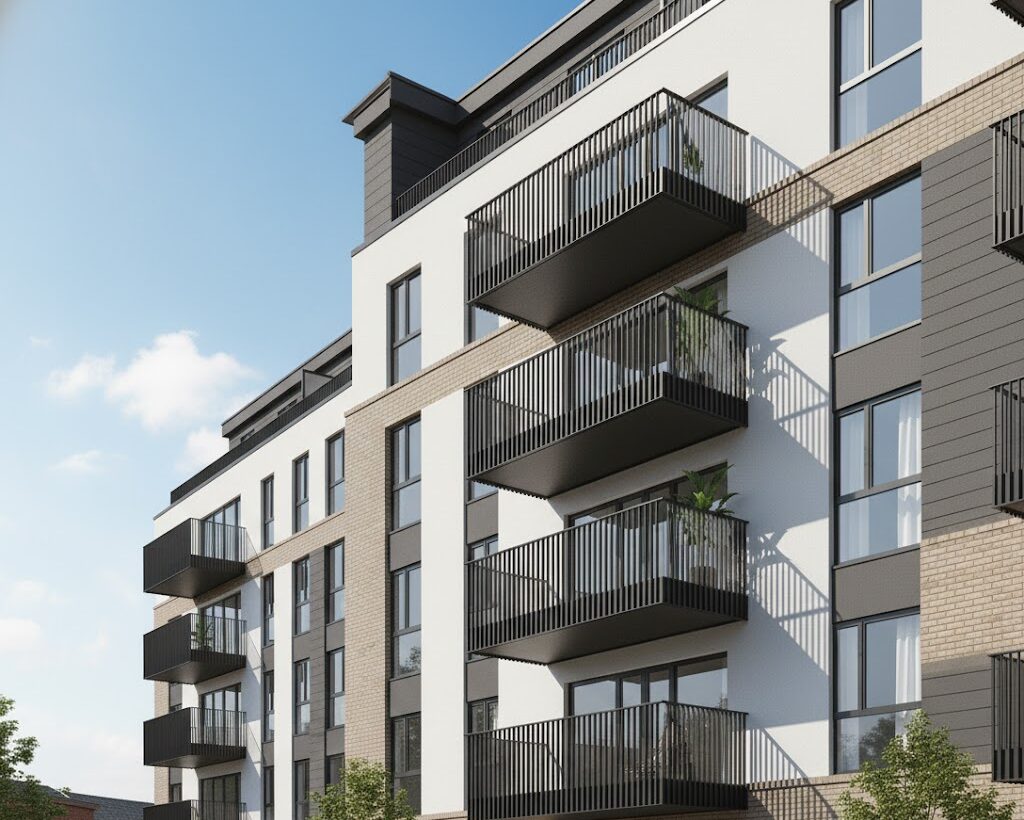
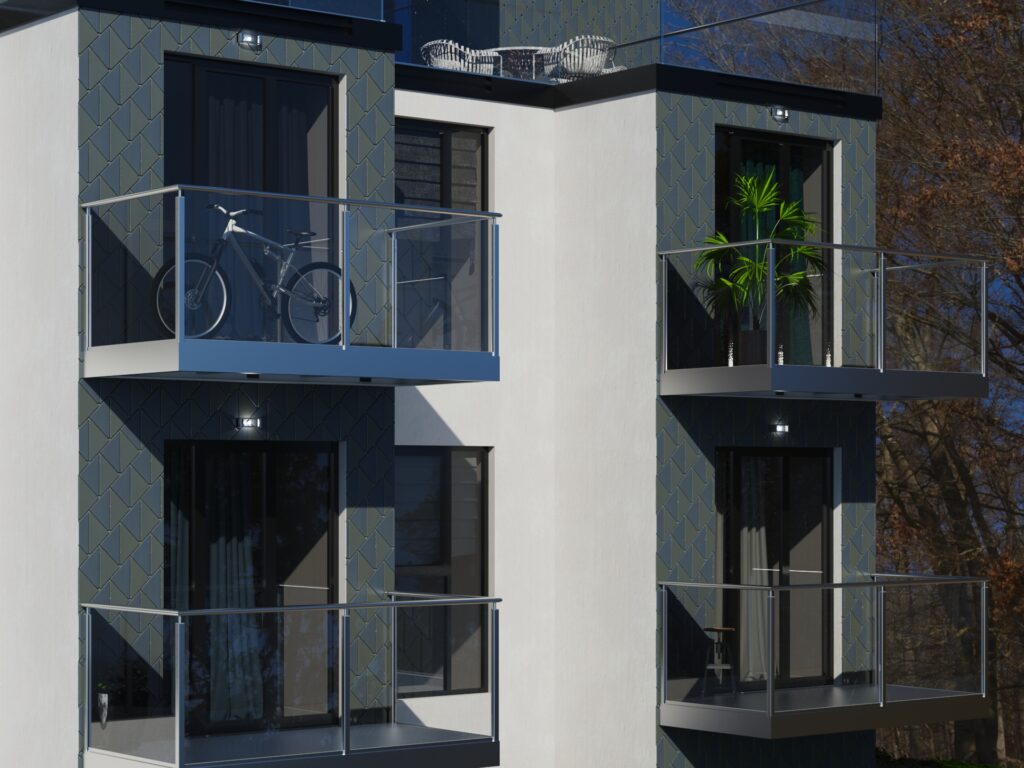
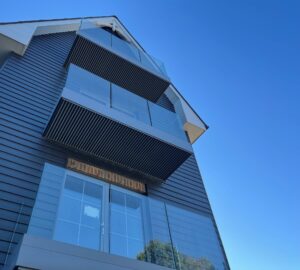
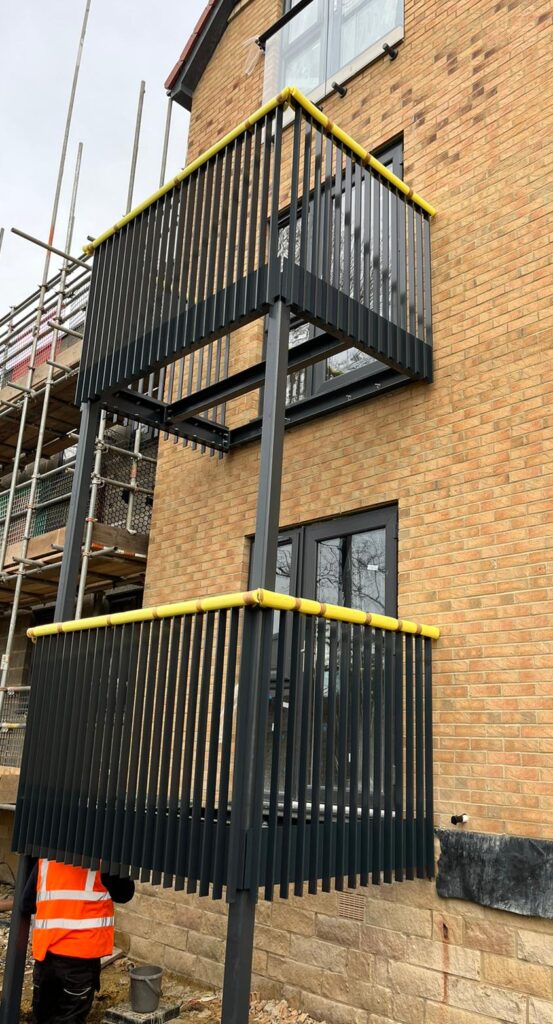
Bolt-on balconies are manufactured off-site and bolt on to a build frame after the building is finished. These modular balcony solutions are becoming popular since they are faster and efficient to install. A typical installation of this system is with bolt-on cantilever balconies, which have the advantage of a very attractive and lightweight structure without much supporting structure to the building facade.
Among the main advantages of the use of bolt-on balconies on concrete frames, or on steel frames, is the ease of flexibility and modularity. The system can be manufactured off-site, which means there is less disruption to the ongoing construction process, and the balconies can be added after the main building structure is in place. This leads to faster installation times and allows the building project to proceed on schedule.
Also, such balconies are extremely strong, do not wear out, and do not need a lot of maintenance in relation to a traditional system; in this regard, they become one of the desired parts of modern developments.
What Is a Cast-In Balcony?
A cast-in balcony is a type of balcony that is embedded into the building’s structure during the pouring of the concrete slab. This traditional construction method integrates the balcony directly into the slab and formwork, making it a part of the building’s core structure.
Cast-in balconies are typically used in residential and commercial buildings with concrete or steel frames. They provide a great degree of integration into the structure of the building, which may be beneficial both aesthetically and structurally.
These decks are widespread in the traditional process of construction, where the concrete slab is used with the balcony in one unit of design. The primary benefit of a cast-in system is that it offers a solid and permanent connection to the building, making it highly durable and structurally sound.
However, the process can be more time-consuming, as it requires on-site balcony construction and coordination with other aspects of the project’s build, making it a less flexible option compared to modern systems.
Key Differences Between Bolt-On and Cast-In Balconies
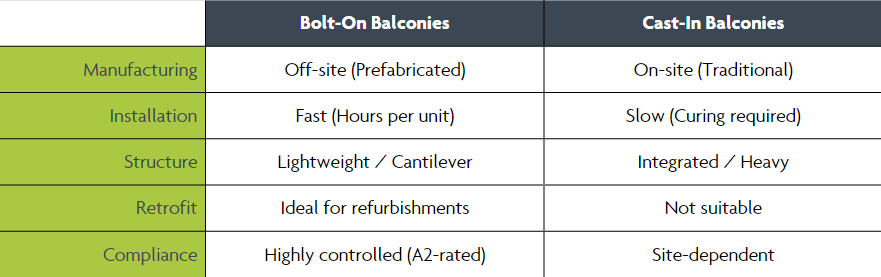
When deciding between bolt-on balconies and cast-in balconies, it’s essential to consider the following key differences:
Installation Time
- Cast-in balconies require significant on-site labour, with formwork and concrete pouring needing precise coordination. The process is time-consuming and can delay the project if not properly scheduled.
- Bolt-on balconies, on the other hand, are prefabricated off-site, which means they are delivered ready for installation. This off-site prefabrication results in a much faster installation process, reducing construction time and labour costs. Once the building’s structural frame is in place, the bolt-on system can be attached quickly, allowing other project stages to proceed without delay.
Structural Impact
- A permanent component of the building’s structure, cast-in balconies are incorporated straight into the concrete slab. Although this can offer robust structural support, it also makes post-construction modifications challenging and expensive.
- Bolt-on balconies are typically bolted to the building’s façade or structural frame, distributing the load to the main structure through bracket supports. While they don’t integrate into the slab itself, this method offers more flexibility and can reduce the load on the slab, which may allow for a lighter structure overall.
Design Flexibility
- Bolt-on balconies offer more design flexibility, as they can be installed with varying architectural features and shapes, allowing architects to tailor them to specific project needs. They also provide options for cantilevered designs, which may not be as easily achievable with cast-in balconies.
Cost Considerations
- Generally, bolt-on balconies can be more cost-effective in terms of installation, as they reduce the need for extensive on-site labour. However, the overall cost depends on the complexity and materials used in the prefabricated system.
- Cast-in balconies often have higher upfront costs due to the need for additional formwork, skilled labour, and curing time for the concrete.
Fire & Building Regs Compliance
- Both systems must comply with UK Building Regulations. Bolt-on units are often easier to design in line with Part B (Fire Safety) due to controlled off-site manufacturing. Learn more about regulations from the official UK Building Regulations: Approved Document B.
Thermal Bridging Considerations
- Thermal bridging is a significant concern for any balcony system, but bolt-on balconies on concrete frames or steel-frame balconies can be designed with specific insulation features to reduce heat loss and improve energy efficiency. The NHBC’s balcony guidance includes valuable information on minimising thermal bridging in external elements.
Choosing the Right System for Your Project
Choosing the appropriate balcony system largely depends on the nature of your project and the specific requirements you face. Here are a few scenarios where each system might be more suitable:
When Bolt-On Balconies Are More Suitable:
- Modular builds and developments requiring rapid installation benefit from the speed of bolt-on systems.
- For retrofit projects, bolt-on balconies are ideal, as they can be easily added to existing structures with minimal disruption. Bolt-on cantilever balconies can also be a good option for high-rise buildings or urban developments where space and aesthetics are important.
- High-rise buildings benefit from the flexibility and ease of bolt-on balconies, particularly in areas where fire compliance and structural efficiency are key concerns.
When Cast-In Balconies Are Better:
- For traditional builds or lower-rise structures, cast-in balconies may be more suitable due to their strong integration with the main structure.
- These systems work best in low-rise residential projects where the added complexity of bolting on a balcony is unnecessary.
Factors to consider include the structural frame type, project timeline, budget, and the design vision. For deeper insights into best practices, RIBA offers guidance on structural elements like balconies. Visit RIBA Journal’s technical section for more content on compliant and efficient balcony designs.
Can You Retrofit a Balcony System?
Retrofit balcony systems are an excellent choice for upgrading or adding balconies to existing buildings. Bolt-on balconies are particularly well-suited for refurbishment projects, such as the modernisation of older residential blocks, as they offer a quick and non-disruptive installation process.
Unlike cast-in balconies, which require extensive formwork and integration with the existing structure, bolt-on systems can be added without major modifications to the building’s framework.
They also provide a cleaner installation process that minimises disruption to occupants, an essential factor in housing association and local authority projects.
Why Choose Neaco’s Balconies?
Neaco offers a wide variety of bolt-on and cast-in balcony systems that are dependable, legal, and visually pleasing. These systems are made to the strictest fire safety and legal requirements. Neaco’s balconies provide exceptional versatility, durability, and installation speed, regardless of whether you’re building a new home or remodelling an existing one.
Visit Neaco’s balcony product range to discover how our solutions can enhance your project.
Conclusion
It’s important to balance the advantages of bolt-on balconies against those of conventional cast-in balconies when thinking about your balcony system options. Faster and more adaptable, bolt-on solutions are perfect for high-rise structures, retrofits, and modular construction. They are a great option for many contemporary developments because of their modular architecture, which provides flexibility in both installation and aesthetics. Whether you go with a cantilever balcony or a bolt-on building frame balcony, they are a better choice for many projects due to their quick and simple installation and low maintenance requirements.
If you’re unsure which system is best for your project, get in touch with our technical team to learn more about custom options that meet your specific requirements. With expert advice, you can ensure that your balcony system choice aligns with your vision and project needs.